Gorillaz and the Strange Logic of Posthumous Collaboration
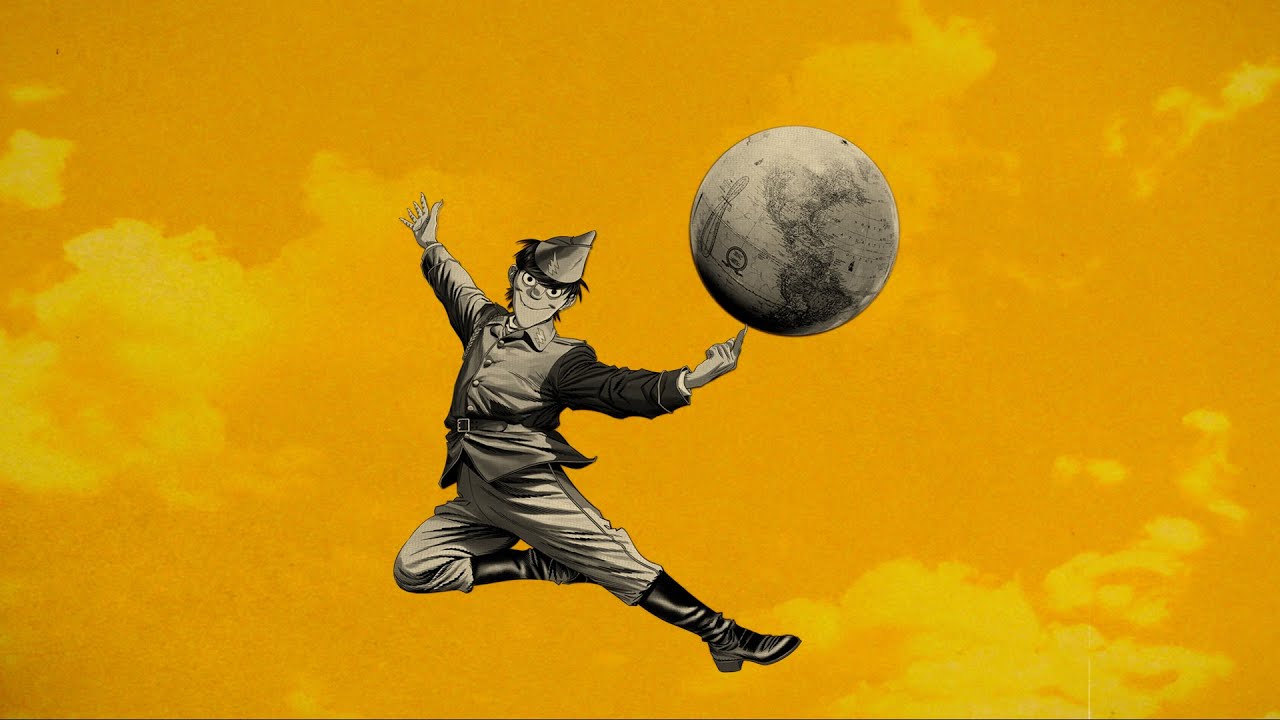
Six dead collaborators on one album would feel grotesque for most bands. For Gorillaz, it feels coherent. That difference is the whole story.
What makes The Mountain unusual is not just that it features performers who are no longer alive. It is that Gorillaz already exists in a space where musical presence has long been detached from physical presence. The band has always asked listeners to accept a fiction on the surface and reality in the sound. Once that logic is already in place, archival performances by dead collaborators do not land as a shocking violation of the project’s rules. They land as an extension of them.
That is what separates this album from the uglier wave of posthumous music now circulating through pop and hip-hop. A lot of recent after-death releases feel synthetic in the moral sense, even when they are technically assembled from real fragments. They are less about collaboration than about extraction. The strongest defense of The Mountain is that it does not seem built that way. The dead artists here are not being digitally simulated into relevance. They are appearing through real recordings Damon Albarn made with them across years, now placed into an album whose subject is already mortality, memory, and the border between presence and absence.
That context matters. A conventional band would have to stage these appearances very carefully, because death would sit outside the normal grammar of the project. Gorillaz has no such problem. A cartoon member and a dead collaborator already exist in roughly the same conceptual register: neither is physically in front of you, both are sonically present. That does not erase the ethical difference between fiction and death, but it does explain why the record can hold them together without collapsing into stunt territory.
The album’s mortality frame is what makes that tension feel intentional rather than merely clever. If these recordings had been dropped into a random party record, the effect would be suspicious. On The Mountain, the archival voices feel aligned with the album’s governing idea. The question stops being “why is this dead artist here?” and becomes “what does musical presence mean once the body is gone but the performance remains?” Gorillaz is one of the few projects that can ask that without sounding like it discovered the question five minutes ago.
The fictional structure also protects the record from sentimentality. The dead collaborators are not segregated into memorial moments. They are allowed to function as performers. That is a subtle but important distinction. A memorial asks the listener to pause and acknowledge loss. A performance asks the listener to stay inside the music. The Mountain does more of the second than the first, which is part of why it feels less exploitative than it could have.
What really makes the album work, then, is not novelty but continuity. Gorillaz has spent decades building a project where absence, disguise, mediation, and displacement are normal operating conditions. A record that mixes living collaborators, dead collaborators, and fictional band members does not break that logic. It reveals what the logic was always capable of carrying.
That is why the album feels less like a gimmick than a clarification. Gorillaz was always a band where presence arrived through construction. The Mountain just pushes that idea into a more uncomfortable register. The result is strange, but not arbitrary. And that is a harder trick than cleverness alone.
Comments (0)
No comments yet
Be the first to comment!