When a Fan-Cam Fight Becomes Regional Backlash: K-pop, SEA Identity, and Korea’s Reputation Shock
The spark
How does a seemingly niche fan-behavior dispute at a single concert become a broader anti-Korean backlash across Southeast Asia in under three weeks? The short answer is that the incident was only a spark. The deeper fuel was accumulated resentment, platform dynamics, and a fast-moving shared regional identity among younger users.
Scene first: the local incident that lit the fuse
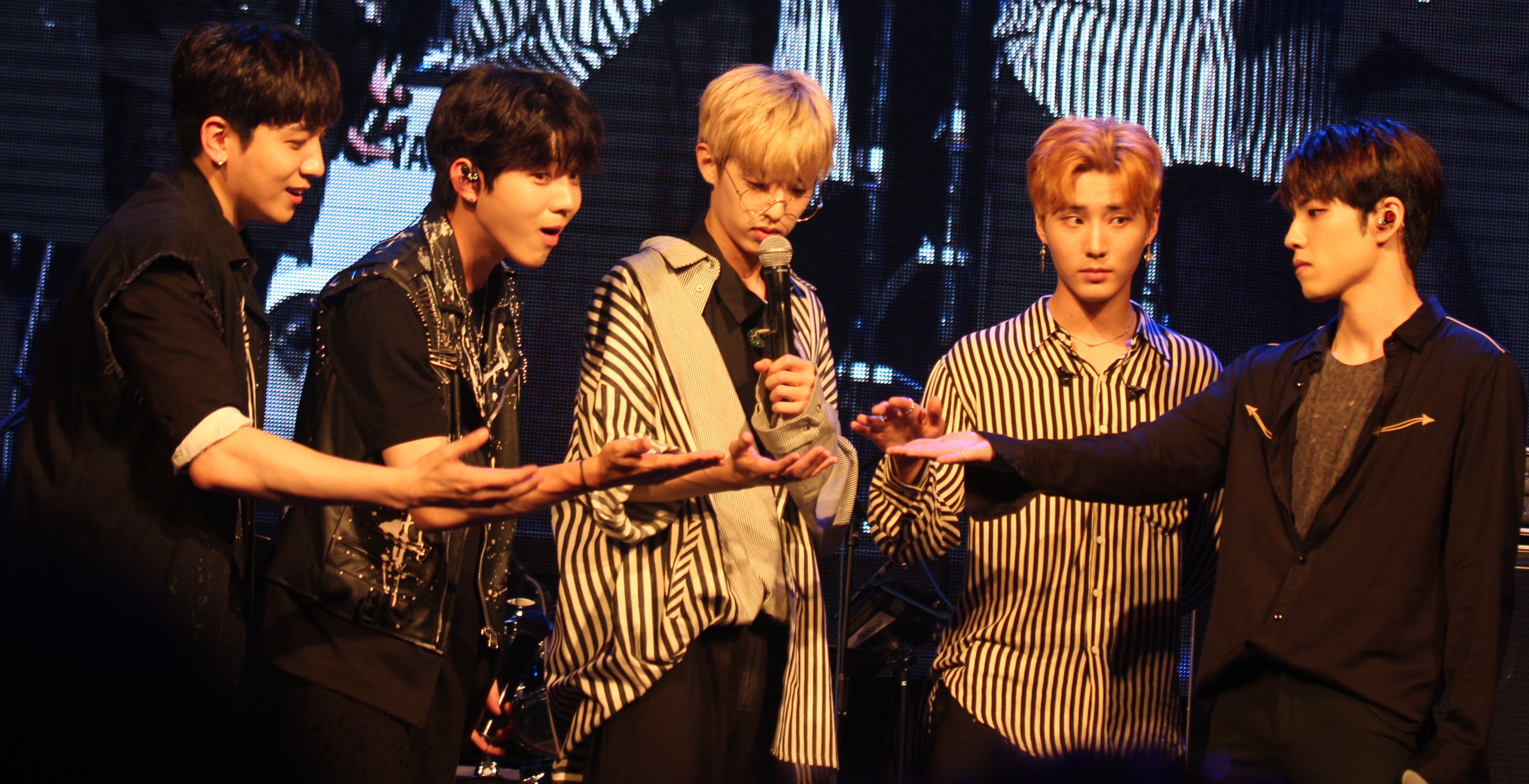
Reports in Malaysia and Korea place the immediate trigger at a Jan. 31 DAY6 concert in Kuala Lumpur, where videos circulated showing Korean “fansite” attendees allegedly using prohibited long-lens camera gear and clashing with venue staff. In older internet eras, that might have stayed a local forum argument. In 2026, clips jump platforms instantly, and context arrives late. By the time explanations start, the emotional verdict is usually already crowd-sourced.
The Rakyat Post’s account frames the conflict as a fast escalation from rule-enforcement criticism to racialized exchange. Korea Times similarly describes a cycle in which harsh responses from some Korean users were answered by counter-insults from users in Malaysia, Indonesia, Thailand, and beyond. Once that cycle begins, facts about one venue rule can no longer contain the conversation. The topic mutates from “who broke policy?” into “who disrespects whom?”
If you have never been around “fansite” culture, the conflict can sound trivial: a camera, a rule, a staff member doing their job. But inside the ecosystem, long-lens access is status, images are currency, and being told to stop filming can feel like public demotion. That emotional mismatch—venue safety rules versus fandom prestige rules—is often where a small clip becomes a larger fight.
What is confirmed, and what should be handled with caution
Confirmed across at least two independent reports: the DAY6 Kuala Lumpur incident became a viral reference point; boycott language and anti-Korean rhetoric spread across social platforms; and the argument widened into country-level identity claims rather than staying about one fandom behavior dispute.
What should be handled carefully: exact counts of offensive posts, attributions for screenshots, and any claim that “all Koreans” or “all Southeast Asians” acted in one unified way. The most responsible reading is that a highly visible minority of users on each side drove much of the toxicity while ordinary fans became collateral in a narrative they did not author.
Why this spread so fast: three structural reasons
- First, K-pop fandom already operates on high-alert norms around status, loyalty, and etiquette. Small incidents can be interpreted as attacks on identity, not mere mistakes.
- Second, algorithmic feeds reward conflict framing. A calm correction post rarely outruns a humiliating screenshot with a national label attached.
- Third, Southeast Asian online publics now mobilize across borders quickly; once the issue was read as a shared dignity problem, country silos dissolved into a regional response.
Korea Times explicitly points to this ASEAN-linked identity dynamic, noting that young users in the region have recent memory of collective digital action. That context matters: the backlash was not only anti-fandom anger. It was also a test of who gets respect in a regional pop economy where Korean exports are powerful but local audiences are no longer passive receivers.
Pro and con evidence in the controversy
Evidence supporting the “this reflects deeper discrimination anxiety” argument includes repeated examples of appearance/economic mockery circulating with large engagement, plus the way unrelated political remarks from Korean public figures were folded into the same anger stream. Once institutional language appears condescending, entertainment friction becomes symbolic proof.
Evidence supporting the counter-argument — that this became an overgeneralized pile-on — includes the fact that much of the most incendiary content came from anonymous accounts optimized for clout, while many fans and commentators on both sides called for de-escalation. The Rakyat Post itself acknowledges not all Koreans are represented by the ugliest posts. That caveat is important and should not be buried.
My take: soft power now runs through fan governance
For years, K-pop soft power was measured through charts, streams, tours, and brand deals. Those metrics still matter. But episodes like this suggest a second scoreboard is now unavoidable: social behavior quality in cross-border fan ecosystems. If audiences in one region feel routinely mocked while being asked to buy tickets, merch, and subscriptions, cultural influence starts to feel extractive.
That does not mean Korea is uniquely guilty or that Southeast Asian users are uniquely virtuous. Every large fandom economy has chauvinism pockets. The strategic point is narrower: Korean entertainment companies and fan-community gatekeepers cannot treat these flare-ups as random noise anymore. They are governance signals.
Practical implications follow quickly. Venue policy communication should be multilingual and pre-emptive, not reactive. Agencies should invest in cross-market community moderation standards instead of pretending each country timeline is separate. Media literacy campaigns should target decontextualized screenshots, which are now the accelerant for national insult cycles. And when public officials make inflammatory comments unrelated to pop, entertainment actors need a communications posture ready, because audiences collapse those worlds instantly.
The deeper cultural lesson is uncomfortable but useful. K-pop’s growth model turned regional audiences into co-authors of success, not just consumers. Co-authors demand respect. If the industry wants sustainable loyalty in Southeast Asia, it has to treat dignity as infrastructure, not PR garnish after a crisis thread goes viral.
Comments (0)
No comments yet
Be the first to comment!