The Shaboozey Grammys Backlash Wasn’t Just About One Line — It Exposed Country’s Identity Fault Line in Real Time
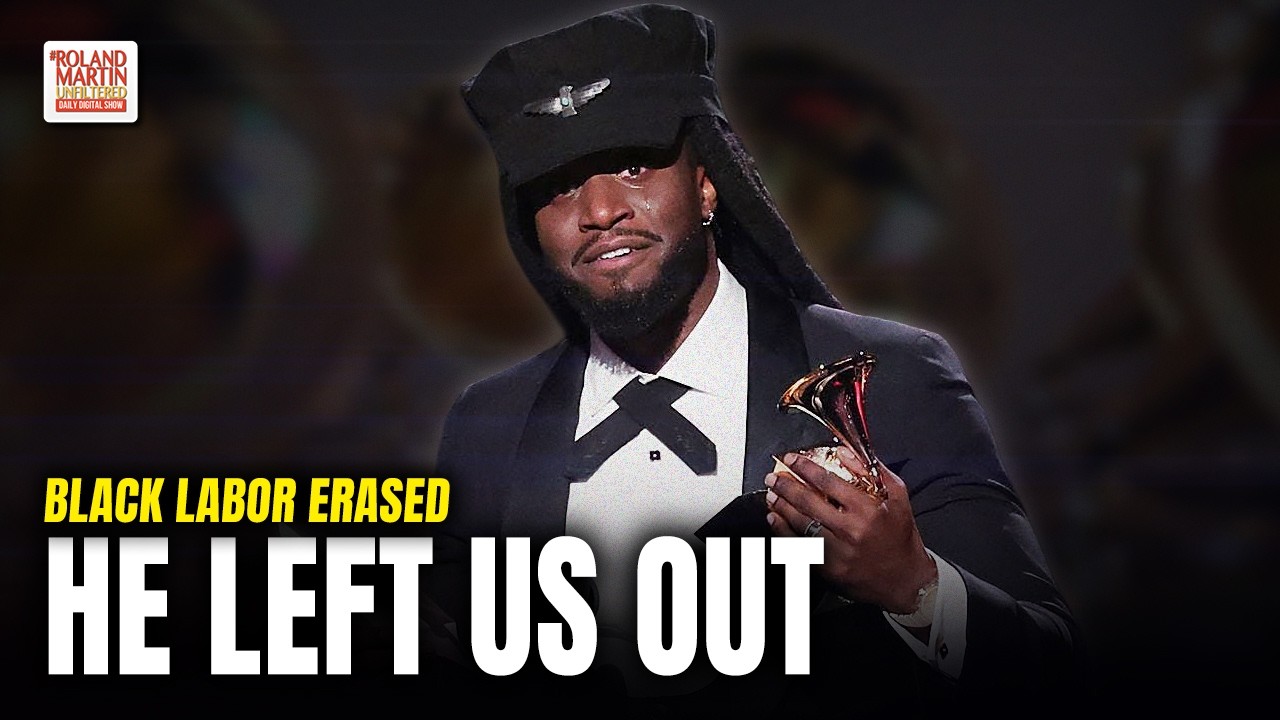
A flashpoint that exposed country's identity fault line
The backlash around Shaboozey’s Grammys line — “immigrants built this country” — is not just a social-media flare-up around one artist. It is a live stress test for how country and crossover country are negotiating authorship, memory, and belonging in public. The reaction cycle happened fast, but the subtext was older: who gets to claim America in country music language, and who gets accused of erasing someone else when they do.
What is confirmed
The core chronology is clear across mainstream coverage. At the 2026 Grammys cycle, Shaboozey’s speech line triggered immediate criticism. He later issued a clarification saying his intent was to honor his immigrant parents and not diminish Black Americans’ role in building the United States, a point reported by Billboard, Rolling Stone, and Los Angeles Times. Those outlets differ in framing and emphasis, but they align on the key sequence: statement, backlash, clarification.
That matters for one practical reason. When multiple independent outlets converge on the same factual sequence, the debate can move from “did this happen?” to “what does it reveal?” And that second question is where this story actually has long-term value for goat.today readers.
The core controversy: historical truth vs rhetorical shorthand
The criticism was not random outrage. For many listeners, “immigrants built this country” can sound incomplete, because it risks flattening the violence and coerced labor of enslaved Black people into a generic nation-building narrative. In that reading, the line was not just imperfect wording; it was a hierarchy of memory problem.
The defense is also not hard to understand. Supporters heard a son honoring an immigrant family story in an emotional acceptance-speech context, not drafting a full historical thesis. They view the backlash as a disproportionate punitive response to rhetoric under pressure, especially given his follow-up clarification.
Both readings can be sincere at the same time. That is exactly why this dispute spread beyond fan fights. It landed in the overlap where identity language, genre politics, and public pedagogy collide. Country is not just songs and charts anymore; it is one of the most visible places where American narrative ownership gets contested in real time.
What this says about country in 2026
The bigger signal is that country’s mainstream audience is no longer one rhetorical bloc. The genre now lives at the intersection of Nashville institutions, streaming-native fans, Black country listeners demanding historical specificity, and global audiences entering through crossover hits. In that environment, a single phrase can trigger multiple accountability standards at once.
Shaboozey sits directly on that fault line. His rise has been tied to border-crossing aesthetics and audience expansion, which is exactly why this moment became symbolic. When artists represent movement across categories, they also inherit pressure to speak with precision across communities that carry different wounds and different thresholds for what feels like erasure.
There is also an industry layer here that gets ignored when the conversation is reduced to morality theater. Labels, managers, and platforms actively market cross-genre artists as symbols of a “new mainstream,” then often leave those same artists alone when cultural conflict arrives. If the business model profits from identity-bridging narratives, the ecosystem should invest in better media coaching and contextual framing too. Right now the support system is asymmetrical: amplification is coordinated, but fallout management is individual.
Pro side and con side, clearly separated
- Critics’ strongest point: historical language in mass platforms has responsibility costs. If a phrase sounds like it sidelines enslaved Black labor, that concern is substantive and legitimate.
- Supporters’ strongest point: speech context matters, and correction should count. His follow-up statement explicitly acknowledged Black Americans’ role and clarified intent.
- Shared reality: the controversy became larger than one quote because it touched genre identity and public memory at the same time.
Independent view: this is a precision problem, not a cancellation-or-immunity binary
My take is that this should not be framed as “he said one wrong thing, end of story” or “everyone overreacted, move on.” Both are lazy endings. The useful read is stricter: in a genre-space carrying live historical tensions, emotionally true statements still need historical precision. Not because artists must give textbook lectures onstage, but because shorthand language now travels instantly into high-conflict interpretation environments.
The better standard for the next cycle is simple. Artists should be allowed to clarify and grow without being permanently reduced to one sentence. But audiences are also right to demand specificity when broad national claims blur forced labor, racial violence, or unequal belonging. That standard is harder than either tribal script, and that is why it is probably the only one worth keeping.
It captures exactly what goat.today should do at its best: take a trending flashpoint, separate facts from noise, present both sides in good faith, and still land on a clear independent judgment.
One reason this argument got so intense, so fast, is that country’s online audience now behaves like overlapping micro-publics rather than one fan block. In one feed, listeners read his line as a heartfelt family truth. In another, it landed as historical compression that skipped over forced Black labor. Both reactions were emotional, but neither was random. They came from different memory frameworks colliding in the same minute.
That collision is also why “just ignore the discourse” is bad advice for artists in this lane. The conversation now shapes not only reputation but playlist momentum, interview framing, and partner confidence. The practical skill is not performing perfection; it is showing precision under pressure and repair capacity when language lands wider than intended.
What this means for artists and labels next
For artists, the practical lesson is not “avoid hard topics.” It is to treat high-visibility speech moments the same way teams treat release-day risk: prepare language that is emotionally true and historically precise, and be ready with clarification that adds context instead of escalating defensiveness. That preparation does not sterilize authenticity; it protects it from being consumed by algorithmic outrage loops.
For labels and management teams, this episode is a reminder that cultural risk is now operational risk. When a quote becomes the center of the cycle, timelines for campaign planning, press strategy, and even partner confidence can shift within hours. Teams that combine fast factual response with a credible, non-performative tone usually recover trust faster than teams that default to silence or legalistic wording.
The bigger takeaway for readers is simpler: this was not a disposable social-media storm. It exposed a recurring pressure point in crossover country — how artists can honor family and identity narratives without flattening other histories that are foundational to the same national story. That tension is likely to recur, and the quality of future responses will matter more than the volume of future arguments.
Comments (0)
No comments yet
Be the first to comment!