Karnivool’s 13-Year Gap Matters Because the Band Nearly Broke Before the Album Arrived
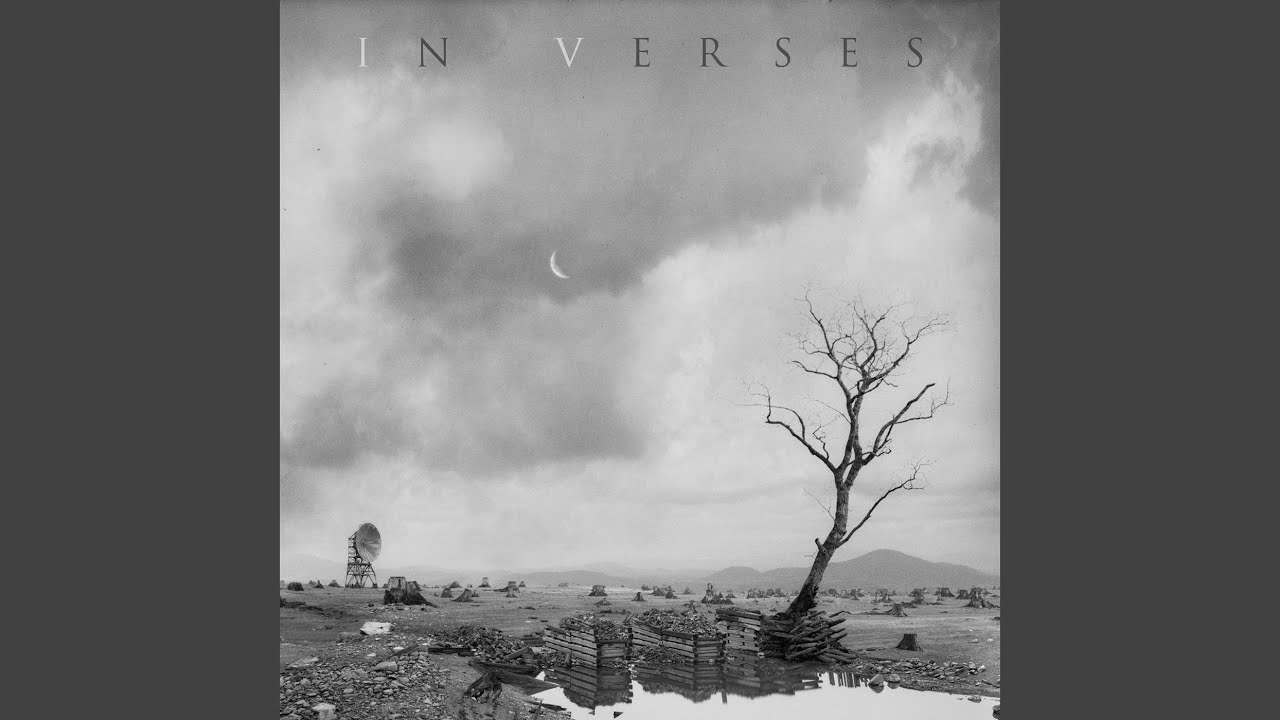
A 13-year gap between albums is not interesting on its own. Time passes for lots of bands. The interesting part is what survives that much delay, and what doesn’t. In Karnivool’s case, the long silence around In Verses matters because the band came close to stopping altogether. That changes how the record sounds. You are not hearing a carefully delayed masterpiece. You are hearing the document of a band that had to decide, repeatedly, whether it still wanted to be a band.
That is why the album’s patchwork quality is not just trivia. Songs developed in fragments, sessions stretched across years, momentum repeatedly lost and painfully recovered — all of that lives inside the record’s shape. The gap was not a strategy. It was drift, interruption, competing obligations, health strain, and the slow damage that accumulates when a group’s center of gravity weakens for too long. A lot of comeback narratives get romanticized after the fact. This one makes more sense as a survival story first and a release story second.
That distinction matters because fans often talk about long-awaited albums as if time automatically adds depth. It doesn’t. Delay can just as easily hollow a band out. What makes In Verses worth taking seriously is not that Karnivool disappeared for thirteen years. It is that the record still sounds like the work of musicians trying to recover a collective language after spending years at risk of losing it.
You can hear that in the album’s emotional weight more than in any single production choice. The record is less interested in shock or reinvention than in endurance. It sounds like a band dealing with fragility in plain view. That does not make it their most radical album. In some ways it makes it less radical. But it gives the music a different kind of pressure. Instead of trying to prove that the years away produced grand transformation, In Verses often feels like it is proving something more basic and more human: that the band still has enough trust in itself to finish the sentence.
That is what makes the record more moving than the simple “does it justify the wait?” frame allows. No album can pay back thirteen years in full. That is not how time works. What an album can do is show what the wait cost, what nearly collapsed, and what was still strong enough to hold. Karnivool’s return matters because the record carries those stresses without sounding like a desperate reconstruction job.
That is the difference between absence and survival. Plenty of bands vanish for a decade and come back sounding either nostalgic or exhausted. In Verses sounds worn in a more interesting way. It sounds like a band that almost failed to continue, then found just enough momentum, trust, and shared purpose to make continuation audible again. That is not the same story as triumph. It is smaller, stranger, and more believable.
So yes, the 13-year gap matters. But not because waiting made Karnivool mythical. It matters because the album lets you hear what that kind of delay does to a band’s internal structure — and how hard it is to rebuild it once it starts to crack.
Comments (0)
No comments yet
Be the first to comment!