Olivia Dean’s Best New Artist Win Was Really About Timing
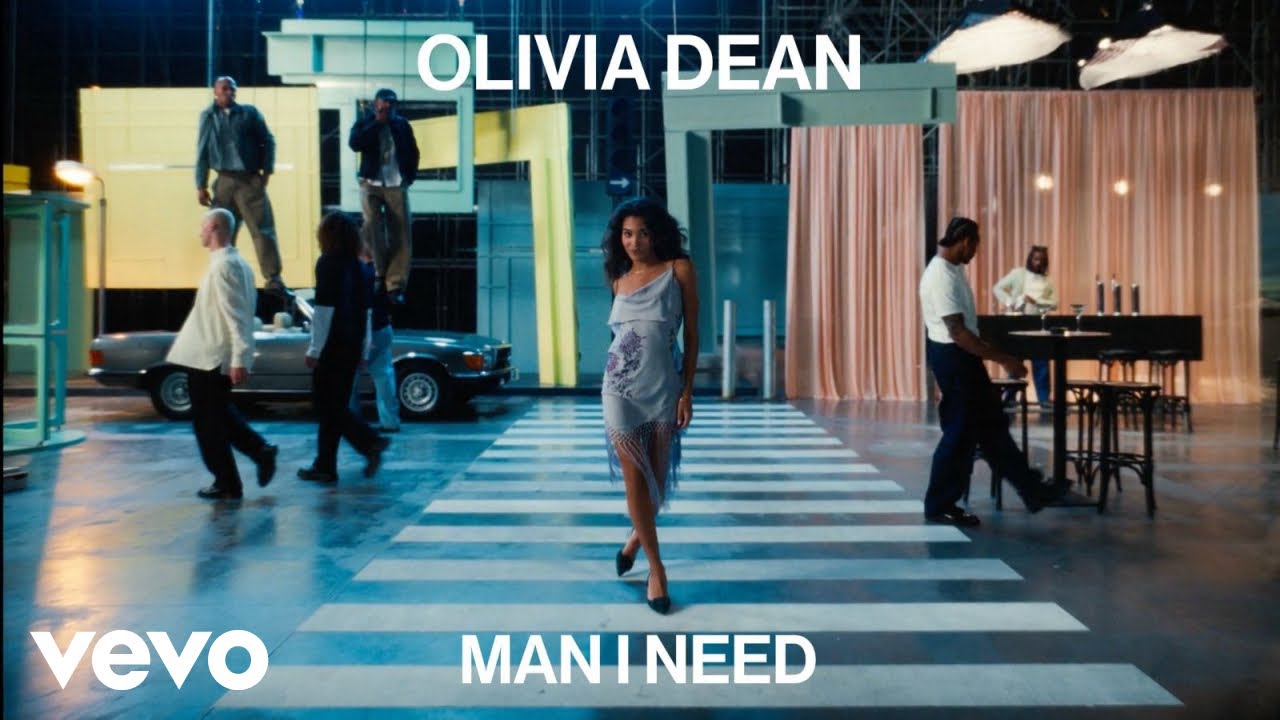
The interesting thing about Olivia Dean winning Best New Artist in 2026 is that she was not new in any literal sense. That is exactly why the win matters. The category is called Best New Artist, but institutions like the Grammys rarely use “new” to mean “just started.” More often, they use it to mean something closer to newly undeniable — the point when years of work suddenly become easy to package as an arrival.
Dean had been building toward that point for a long time. Music had been out in the world for years. There were EPs, a debut album, a growing audience, and enough industry attention to prove she was never invisible. But visibility and recognition are not the same thing. The institutional version of “new” often begins only once an artist’s story becomes narratively convenient: the songs connect, the scale increases, the profile sharpens, and the timing becomes clean enough for a trophy to feel inevitable rather than premature.
That is what *The Art of Loving* appears to have changed. The album did not create Olivia Dean from nothing. It gave the existing career a shape the wider industry could suddenly read at full size. That is a more useful way to understand the win than the usual fairytale language of breakthrough. Plenty of artists work for years before an institution decides the story is legible enough to reward. What the award recognizes, just as often, is not the beginning of a career but the moment the career becomes easy to narrate.
That is also why the Best New Artist category has always been a little strange. It has less to do with chronology than with packaging. An artist can spend years building material, audience, and identity, and still be called “new” once the larger recognition machine finally turns toward them. That does not make the award fake. It makes it revealing. The label says almost as much about the institution’s timing as it does about the artist’s trajectory.
Dean’s acceptance speech sharpened that point rather than softening it. By centering her grandmother and the Windrush legacy in the moment, she framed the win through history, migration, and inheritance rather than through generic industry gratitude. That choice mattered. It made the speech feel like more than a standard coronation script. The emotional weight did not come from “I made it” alone. It came from the sense that arrival is never purely individual, even when the industry prefers to present it that way.
That background matters to the music too, but only when it is treated as more than biography. The strongest reading of Dean’s rise is not that she has an interesting family story and a tasteful sound. It is that her work arrived at the exact point where craft, lineage, and broader cultural readability converged. Institutions like the Grammys often wait for that convergence. They want an artist who already feels formed, but not so established that the “new” label becomes impossible to sell. Dean fit that window almost perfectly.
That is why the win feels less like discovery than formal acknowledgment. The groundwork had already been done. The songs, the audience, the years of gradual accumulation — all of that existed before the trophy. What changed was the scale of legibility. Once that happened, the category could absorb her without contradiction. In fact, the contradiction is the point. “Best New Artist” often means: here is someone who has been doing the work long enough that we now feel safe calling their arrival official.
Seen that way, Olivia Dean’s win is not really a story about surprise. It is a story about timing. Not the timing of her talent, but the timing of institutional permission. She did not become new in 2026. She became undeniable in a way the Grammys could finally package as new.
Comments (0)
No comments yet
Be the first to comment!