Pepsi’s Wireless Festival Sponsorship Exit Became Concrete on 5 April
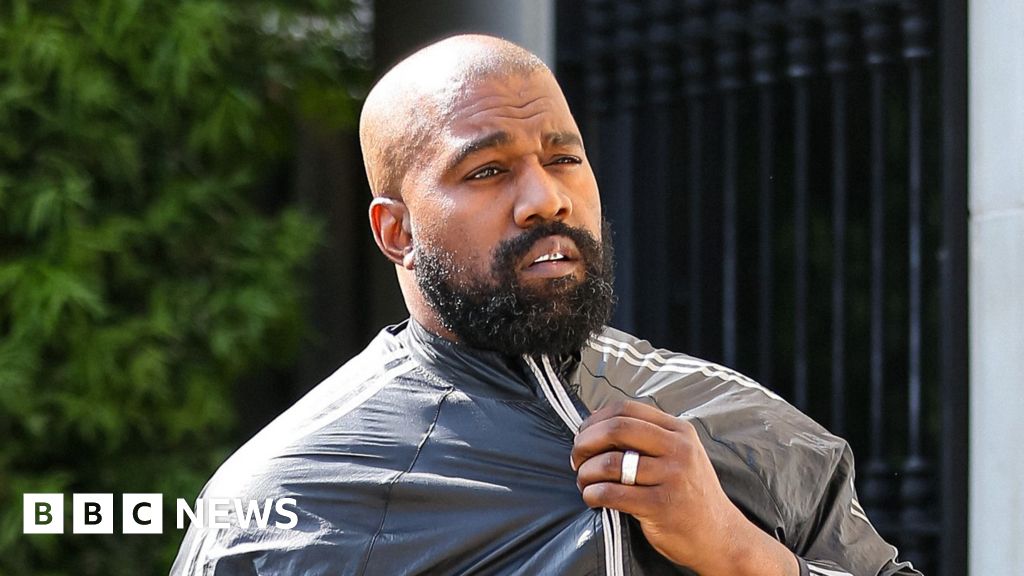
On 5 April 2026, the Wireless Festival dispute stopped being only a lineup controversy and became a sponsor story too. The BBC reported that Pepsi withdrew as a sponsor after backlash tied to Kanye West, and The New York Times also reported that Pepsi dropped its sponsorship of the festival. That development landed in a controversy that was already public: the BBC said West, now known as Ye, was set to headline Wireless, and Prime Minister Sir Keir Starmer had already called that booking “deeply concerning.”
The sponsor move matters because it added a named commercial consequence to an argument that was already underway. Before Pepsi’s reported withdrawal, the core facts were already in circulation: Ye was attached to a headline slot, he had drawn widespread criticism for antisemitic comments in recent years, and, according to the BBC, he issued an apology in January. By 5 April, the question was no longer just whether the booking would provoke criticism. It was whether that criticism had started to alter the festival’s sponsor relationships.
Key points
On 5 April 2026, both the BBC and The New York Times reported that Pepsi had withdrawn or dropped its Wireless Festival sponsorship.
The backlash did not start with the sponsor move: the BBC had already reported that Ye was set to headline Wireless, had faced widespread criticism for antisemitic comments, and had issued an apology in January.
The Independent reported that Diageo also withdrew and described Pepsi and Diageo as key sponsors, but several points remained unresolved, including any organizer explanation, Pepsi’s own stated rationale, and whether the lineup changed.
The sponsor move became public on 5 April
The clearest new development on 5 April was straightforward: Pepsi’s exit from Wireless Festival sponsorship was reported by more than one major outlet. The BBC reported that Pepsi withdrew as a sponsor after backlash tied to Kanye West. The New York Times also reported that Pepsi dropped its sponsorship of Wireless Festival. That cross-outlet overlap is the firmest update in the material here.
What those reports establish is narrower than some of the commentary around them. They show that, by 5 April, Pepsi’s withdrawal had become part of the story in public reporting. They do not, on the sourcing provided here, establish when Pepsi made the decision internally, whether it announced the move directly before those reports, or whether it offered a detailed public explanation beyond the backlash framing attached to the coverage.
That distinction keeps the timeline clean. The story did not suddenly become controversial on 5 April. What changed on that date was that the controversy acquired a clearly reported sponsor consequence. A dispute that had centered on Ye’s planned appearance now also included a named brand stepping away.
The backlash was already established before Pepsi’s exit
Pepsi’s reported withdrawal did not create the underlying argument around Wireless. According to the BBC, Kanye West, now known as Ye, was set to headline Wireless Festival. That fact alone had already made the lineup a live issue before the sponsorship reports appeared.
The BBC also said Ye had drawn widespread criticism for antisemitic comments he made in recent years. That is the key context for why the booking had already become contentious. The same BBC reporting said Ye issued an apology in January for those antisemitic comments. The apology belongs in the sequence because it is part of the sourced record, but the provided material does not support a larger claim that it settled the criticism. The stronger, cleaner point is simply that the criticism remained active when the sponsor story broke on 5 April.
Put in order, the sequence is direct. Ye’s headline role was already public. His earlier antisemitic comments were already central to the backlash. His January apology was already part of the timeline. Then, on 5 April, Pepsi’s withdrawal was reported by both the BBC and The New York Times. That makes the sponsor move a later development inside an existing controversy, not the event that started it.
Criticism had already reached senior politics
By the time Pepsi’s reported exit became public, criticism of Ye’s headline appearance had already moved beyond music coverage. The BBC reported that Prime Minister Sir Keir Starmer said it was “deeply concerning” that West was set to headline Wireless. That quote gives the story a specific political marker, not just a general sense of disapproval.
The Independent added that criticism of West’s headline sets came from figures in both politics and entertainment. Taken together, those details show that the backlash was not confined to fans, commentators, or unnamed opponents. It had already produced a response from a sitting prime minister and, in The Independent’s account, from people across two public spheres.
That matters because it helps explain the order of events without overexplaining the story. The sponsor move did not appear in a vacuum. It arrived after the booking had already triggered high-level criticism, including Starmer’s “deeply concerning” remark, and after the dispute had spread beyond entertainment coverage alone.
Pepsi was not the only sponsor reported to step back
Pepsi is the sponsor withdrawal supported here by both the BBC and The New York Times, but it was not the only brand named in coverage on 5 April. The Independent reported that Diageo, as well as Pepsi, withdrew sponsorship from Wireless Festival. It also described Pepsi and Diageo as key sponsors of the festival.
That reporting supports a careful conclusion: the fallout may have extended beyond one company. It does not support a broader claim that all sponsors withdrew, or that the entire sponsor roster changed at once. The sourcing is stronger and more widely matched on Pepsi than on any other brand, so Pepsi remains the firmest point of emphasis.
Still, Diageo’s appearance in The Independent matters because it suggests the pressure around Wireless was not necessarily isolated to a single sponsor relationship. If Pepsi’s reported exit was the most clearly corroborated sponsor move on 5 April, The Independent’s account points to a wider sponsorship problem around the festival without letting that wider claim outrun the sourcing.
What changed, and what still has not been confirmed
The significance of 5 April is best understood as a change in what could be reported with confidence. Before that date, the central facts were Ye’s planned headline appearance, the backlash over his antisemitic comments, his January apology, and Starmer’s criticism of the booking. On 5 April, the story gained a new layer: the BBC and The New York Times reported Pepsi’s withdrawal, and The Independent reported Diageo’s withdrawal as well.
That is enough to say the backlash became materially visible through reported sponsor withdrawals. It is not enough to fill in every surrounding question. The the reporting does not establish whether Wireless Festival or its organizers issued an official explanation for the sponsorship changes. It does not establish whether Pepsi publicly gave its own reason for withdrawing beyond the backlash framing in the reporting. It does not establish whether any additional sponsors changed their relationship with the festival. And it does not establish whether West remained on the lineup after these reported withdrawals.
So the cleanest version of the story stays close to what 5 April actually added. The day did not produce a new argument about Ye from scratch. It produced a sharper, more concrete development inside an argument that was already underway: a major sponsor was reported to have stepped back, political criticism was already on the record, and at least one outlet reported that the sponsor fallout may have widened beyond Pepsi. The unresolved questions are still significant, but they remain unresolved.
Key dates and access notes
For readers, the practical value is the schedule and access picture: check the official artist, venue, promoter, or ticketing channels before making travel, ticket, refund, or viewing plans.
Comments (0)
No comments yet
Be the first to comment!